

From Relief to Resilience: Post-Pandemic Livelihood Recovery in Kolkata
When the first lockdown fell over Kolkata, the streets went silent, but the panic inside small rooms and tin‑roofed houses only grew louder. Daily wage earners watched their work disappear, and families surviving on daily earnings could not imagine how to buy tomorrow’s rice. In this suffocating uncertainty, Nabatara Foundation—Save The Soul stepped fully into its role as a pandemic relief NGO in Kolkata, turning years of experience in healthcare and disaster response into lifelines for thousands.
As a Section 8, MCA‑registered NGO under the Ministry of Corporate Affairs (Government of India), we moved with accountability and speed. Our pandemic relief NGO work in Kolkata was relentless: ration kits were carried deep into lanes where vehicles could not go, and essential medicines were delivered to those too frail to visit clinics. By leveraging our existing networks as a healthcare NGO in Kolkata, India, we ensured that the most vulnerable populations were not left behind during the city's darkest hours.
Why Kolkata Needed a Strong Pandemic Relief NGO in the Darkest Months
Kolkata endured a scale of disruption not seen in generations. Hospitals struggled with bed shortages, and public transport suspensions cut off the poor from markets and work. For families in slums and peri‑urban belts, a pandemic relief NGO in Kolkata was a necessity. In districts like Kakdwip, Namkhana, and the Sundarbans—already battered by cyclones—the pandemic layered health fears over deep poverty. Nabatara Foundation filled this gap, treating pandemic relief as a continuous mission of survival and dignity.
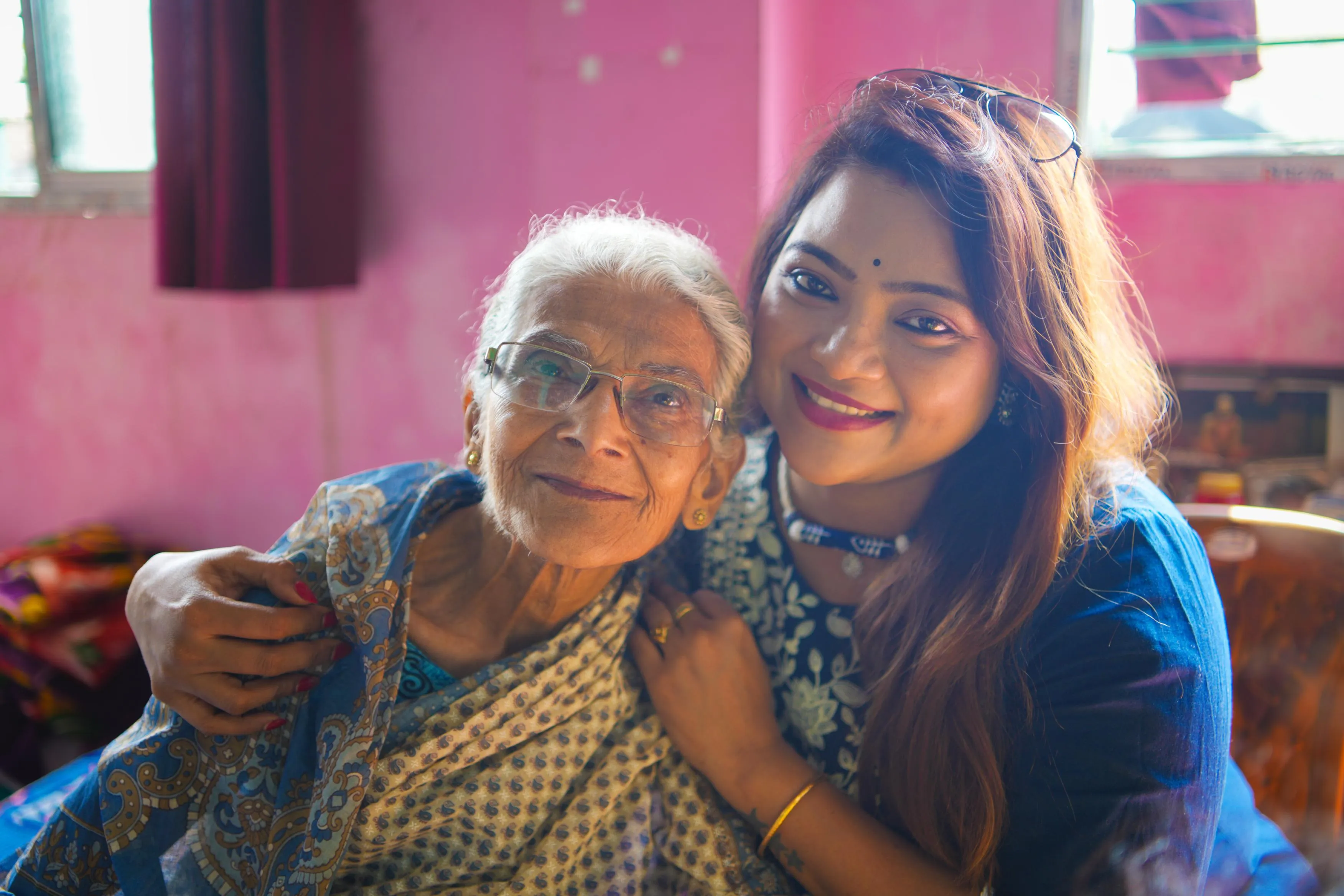
Beyond food, we addressed the invisible crisis of mental strain and loneliness. Our pandemic relief NGO Kolkata initiative understood that relief meant presence and reassurance. Because Nabatara already managed elder support and women’s programs, we could approach the crisis with a multi-layered response, ensuring that the emotional and physical needs of the community were met simultaneously.
How the Pandemic Relief NGO Kolkata Programme Delivered Food, Health and Dignity
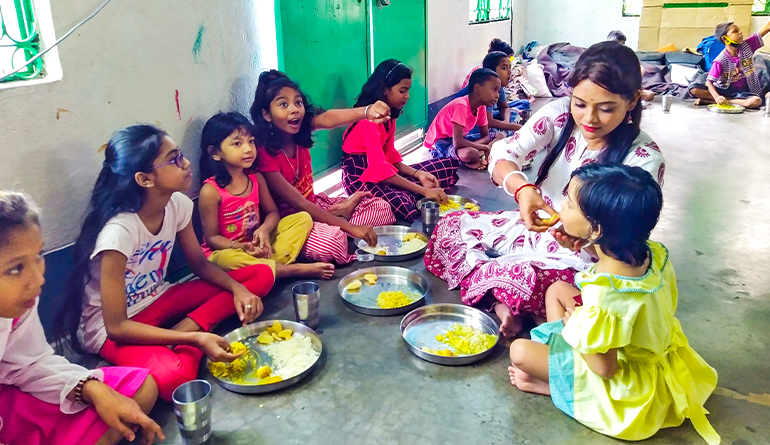
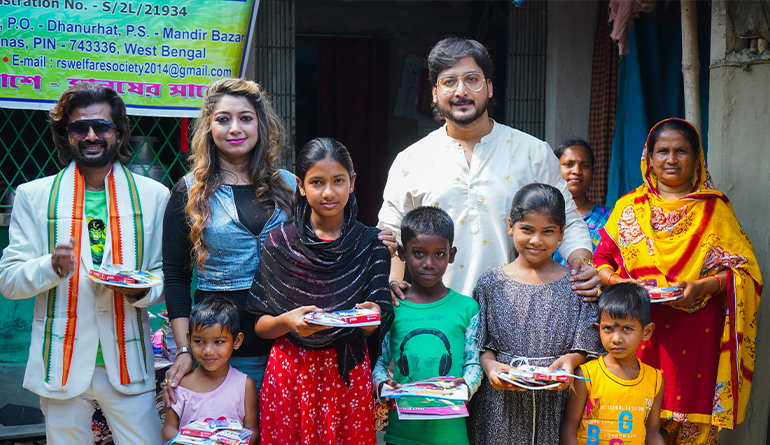
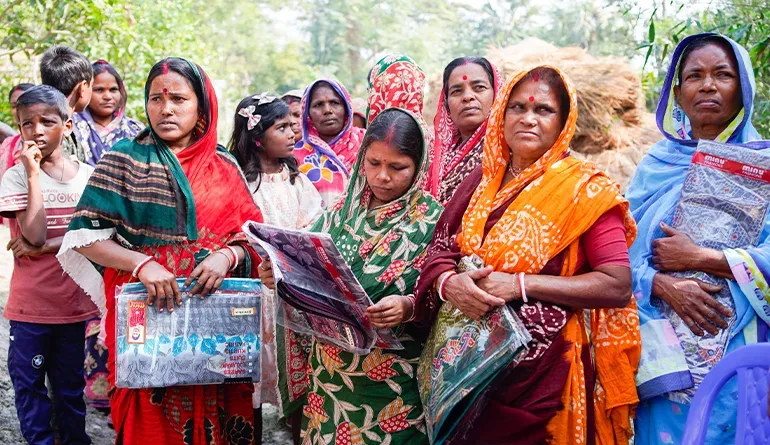
At the heart of our pandemic relief NGO work in Kolkata were ration kits containing rice, pulses, oil, and hygiene items like sanitizers and sanitary pads. We targeted daily wage workers, rickshaw pullers, and domestic workers who lost their income overnight. Distribution was never random; we worked through local panchayats and self-help groups to ensure the kits reached those in genuine need, especially in coastal belts where cyclones had already destroyed homes.
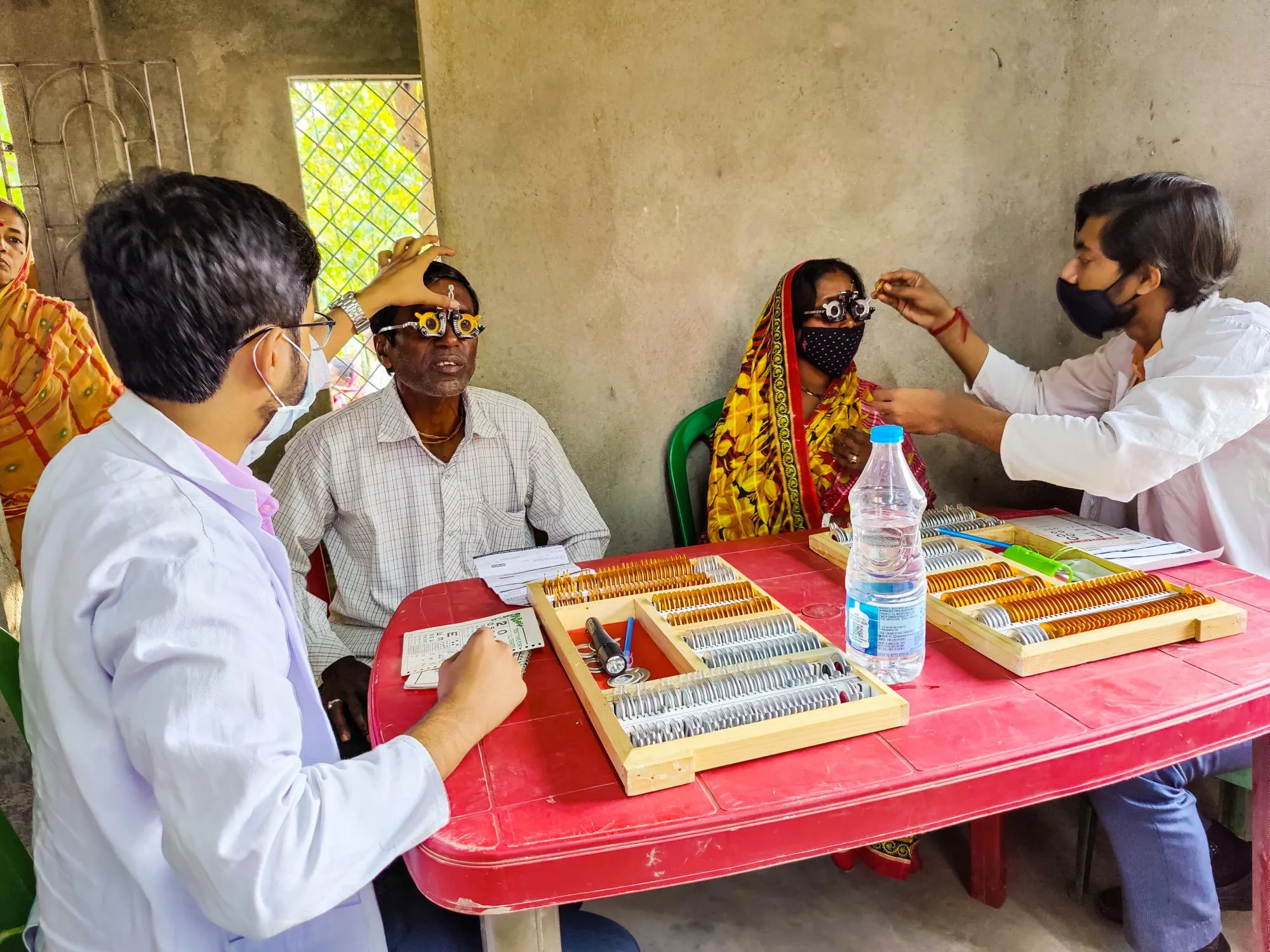
Parallel to food, we focused on medical support. Our experience as a healthcare NGO in Kolkata, India, allowed us to run modified health camps with strict distancing. We provided check-ups for chronic conditions like diabetes and hypertension, which many had ignored due to hospital fears. These camps became vital hubs for spreading accurate information about masking, home isolation, and vaccination, countering the dangerous myths that often circulate during a crisis.
Pandemic Relief NGO Kolkata Going Beyond the City: West Bengal’s Hard‑Hit Districts
While many efforts focused on the metro area, our pandemic relief NGO Kolkata team traveled to riverine and coastal belts in Kakdwip, Nabadwip, and the Sundarbans. In these regions, the health crisis blended with the saltwater contamination of ponds and destroyed crops. We delivered thousands of kits, clothing, and firewood, deliberately reaching over 20,000 people. We even supported community kitchens to ensure that the elderly and disabled received cooked meals they could no longer prepare themselves.
Trust, Governance and MCA Registration: Why It Matters
In times of panic, transparency is paramount. Nabatara Foundation’s status as an MCA-registered NGO gave donors the assurance that their funds were being handled with discipline. This governance framework allowed CSR teams and international partners to trust our pandemic relief NGO Kolkata initiatives, knowing that every ration kit and medical supply was tracked and reported. This culture of documentation allowed us to refine our approach between the different waves of the pandemic.
Why Global Donors and Volunteers Support Nabatara’s Pandemic Relief
During the worst phases, our pandemic relief NGO Kolkata program became a bridge for donors worldwide who felt helpless watching the news. Contributions turned into very concrete results: a full bag of groceries, a blister pack of medicines, or a face shield for a frontline worker. Corporate partners also joined us, valuing our deep roots in the communities where their employees lived and worked. This combined effort amplified our impact, saving countless lives across West Bengal.
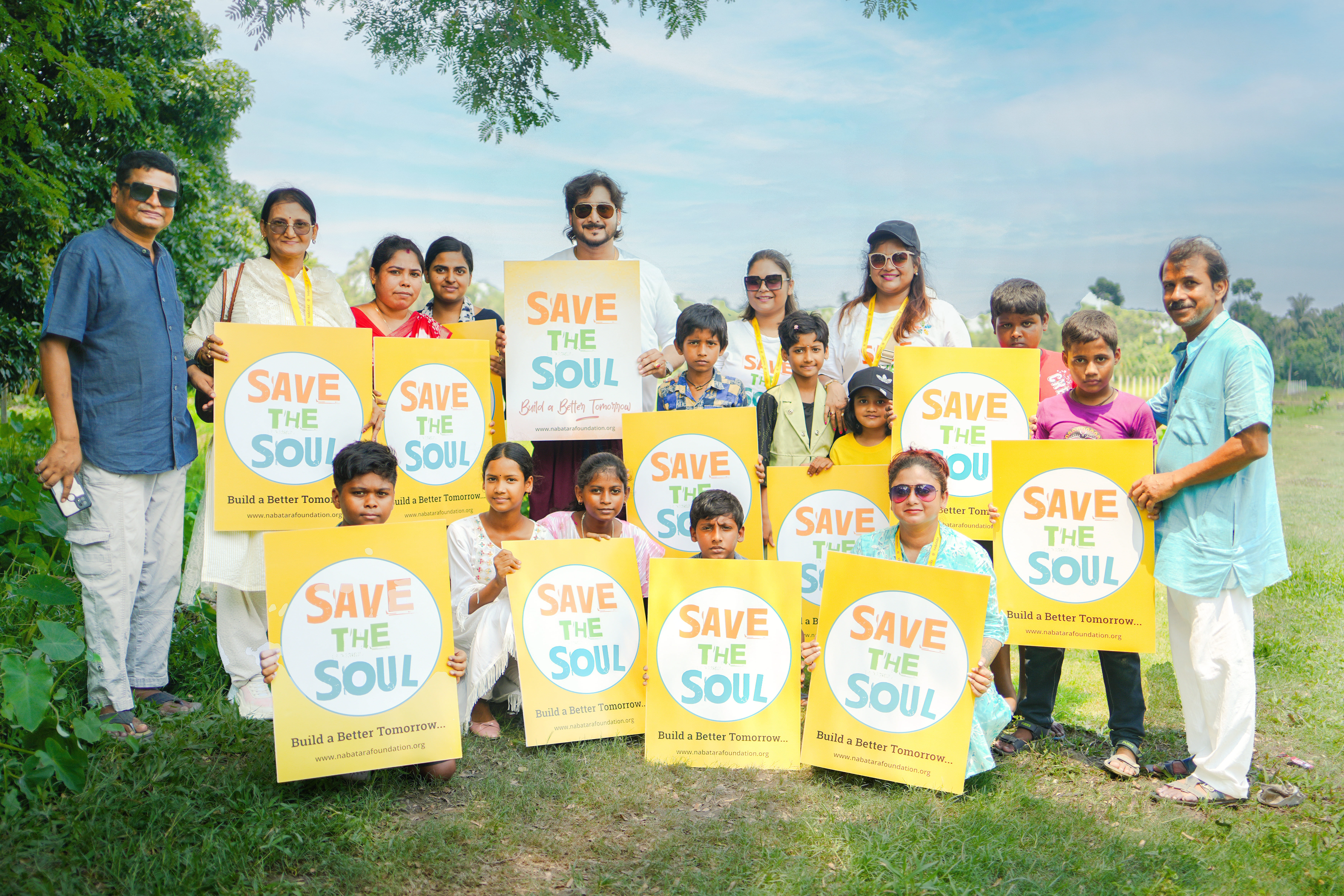
Volunteers were the heartbeat of this movement. Young people on cycles and local shopkeepers decided that staying safe did not mean standing aside. Our pandemic relief NGO Kolkata team trained these volunteers on safety protocols, enabling them to carry sacks up narrow staircases and provide a human presence to those isolated by fear. Whether through physical labor or digital advocacy, every volunteer played a part in helping Kolkata breathe again.